
 By
By 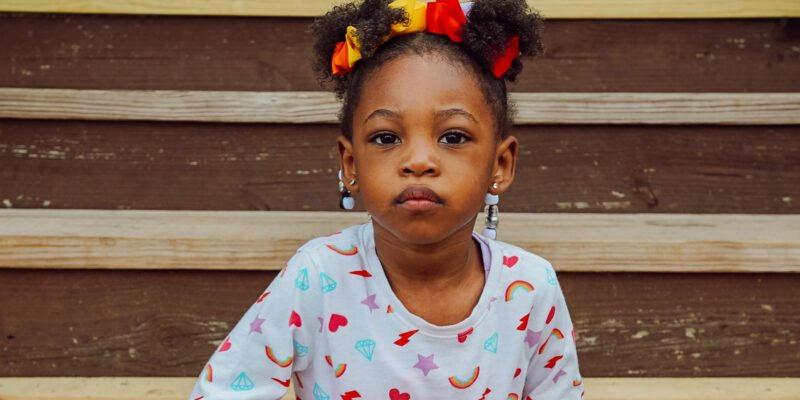
Little girl in Biloxi, Miss. Photo courtesy of WKKF
Nearly two decades after Hurricane Katrina, the people of New Orleans continue to be a testament to hope, ingenuity and perseverance. Communities have done more than rebuild — they are reimagining systems to create opportunity for all, especially children. While significant progress has been made, critical work remains to ensure that growth is truly equitable and lasting. As part of an ongoing reflection series called Rooted In Us, W.K. Kellogg Foundation (WKKF) staff and local leaders will share their perspectives on community efforts, lessons learned and the investments still needed to build a future where all New Orleanians can thrive. WKKF has been investing in New Orleans since the 1940s but named the city a priority place after Hurricane Katrina. As we look ahead, we remain committed to working alongside partners to strengthen economic opportunity, racial equity and community leadership for generations to come.
In this interview, Alyson Curro, a communications officer for WKKF, speaks with James W. Crowell III, retired president of the Biloxi Branch NAACP and longtime member of the National NAACP Board of Directors. Crowell reflects on his front-line leadership after Hurricane Katrina, the challenges of rebuilding East Biloxi and the lessons he hopes to pass on to future generations.
Curro: In the immediate aftermath of Hurricane Katrina, you were among the first leaders communicating the severity of the situation in coastal Mississippi. What were you seeing on the ground, and how did you work to elevate those voices?
Crowell: When Katrina hit, my family evacuated to Atlanta. The next morning, we drove back to the coast, not realizing the highway had been closed. We pushed through and returned to our house. Water had flooded in — three or four feet — and even blown a car into our front door. We couldn’t stay there that night.
We drove to Meridian, Miss., looking for a hotel, but everything was full. A friend from the NAACP offered space at his funeral home; his wife suggested an office in an old house instead, which felt more comfortable.
The next morning, I went downtown to Main Street Missionary Baptist Church, where many people had sheltered upstairs during the storm. Folks were outside. One man pointed to me and said, “That’s Mr. Crowell, the NAACP president — what are you going to do for us?” I told him we worked on civil rights, not disaster recovery, but I’d see what I could do.
I called Derrick Johnson, then president of the Mississippi State Conference NAACP. At first, he said, “This isn’t the kind of work we do.” But I told him people needed help now. Soon, with support from Derrick and the regional director, we were bringing supplies back from Atlanta — food, mattresses, clothing, refrigerators. We used Main Street Church as our headquarters.
People without cars couldn’t reach the school where the Red Cross and Salvation Army eventually set up, so we set up in a football field in East Biloxi to distribute supplies directly to families hardest hit from the hurricane. Volunteers cleared debris with tractors, and we set up outdoor cooking stations to feed people. That was the start of our work.
Curro: You were leading an ambitious effort while also having lost your home. Had you ever seen another disaster like this? Did any prior experiences prepare you?
Crowell: This was the first time I’d experienced such devastation personally. We’d been through other storms, but never water like this. Katrina pushed casino barges onto land and even into Highway 90. The force of that water flooded homes like mine that had never flooded before.
I wasn’t here for Hurricane Camille in 1969, but people say most of that damage came from wind. Katrina’s destruction in Biloxi came from water.
The NAACP had never done disaster recovery before. I told Derrick we had to help ourselves, because in past storms, our communities were always the last to get help. We weren’t even a 501(c)(3) then, which meant we couldn’t access certain funds. Derrick helped us set one up, and that opened doors to more nonprofit and corporate support.
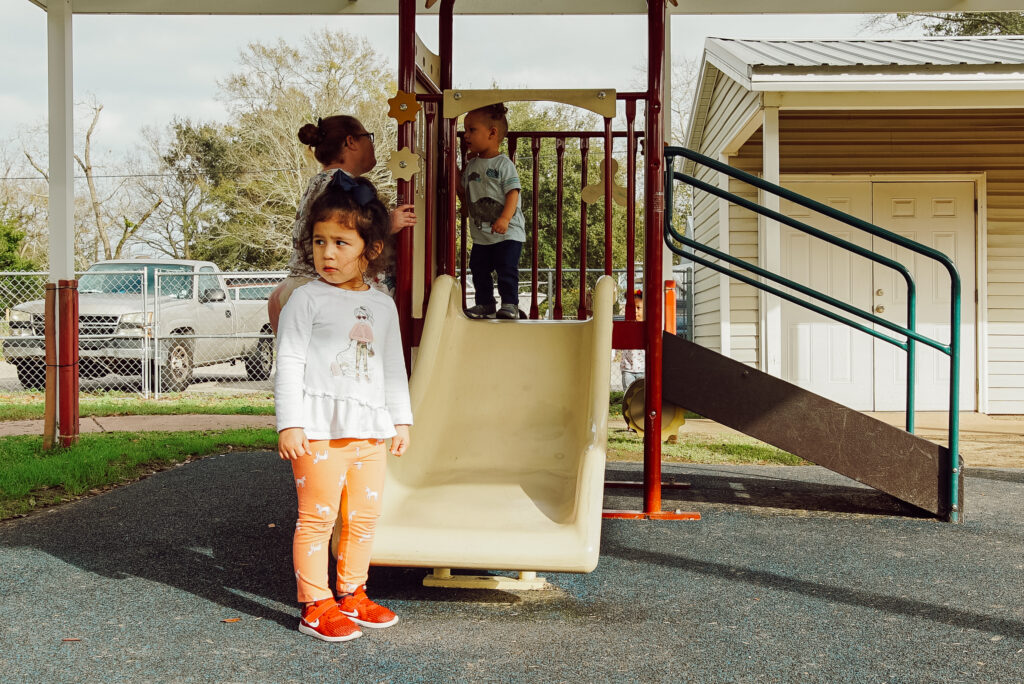
Children playing in Biloxi, Miss. Photo courtesy of WKKF
Curro: How did you balance immediate relief with longer-term advocacy?
Crowell: At first, it was all about survival — housing, supplies, helping people back into their homes. We connected with families in Biloxi and Gulfport and got them what they needed.
Over time, Derrick secured funds for a secretary to help process grant applications and paperwork. My own office had flooded, so we relocated to borrowed space. We became the first organization to bring supplies and resources into the community and then pivoted toward helping people navigate recovery programs.
Curro: Years later, you’ve spoken about recovery being about more than rebuilding homes — it was about rebuilding hope. Can you share what you mean?
Crowell: East Biloxi was hardest hit because it’s a peninsula surrounded by water. Many homes dated back to the 1930s and ‘40s. The U.S. Federal Emergency Management Agency’s (FEMA) new elevation requirements, combined with lack of insurance, made it impossible for many families to rebuild. Habitat for Humanity and Vault Properties helped, but even then families had to qualify for loans. Many couldn’t.
As a result, people were displaced to U.S. Department of Housing and Urban Development (HUD) accommodations inland. Transportation became a problem for families who once walked to work or stores. Businesses like laundromats and supermarkets disappeared. The empty lots and economic struggle you see even today are reminders of how incomplete our recovery has been.
Curro: How did these systemic barriers impact families, and what solutions did you support?
Crowell: Families without insurance couldn’t meet FEMA requirements. We worked with nonprofits to rebuild elevated homes. We also repurposed FEMA trailers into permanent homes on stilts for those with no other options.
But HUD would not build new housing on the point, so people were relocated farther inland. Without buses running that far, it created real hardship. These systemic barriers broke community connections and made recovery harder for working families.
Curro: Looking beyond emergency response, how did the NAACP shape the conversation about equitable redevelopment?
Crowell: We pushed for Community Development Block Grant (CDBG) funds to go toward low- and moderate-income housing and small business restoration. But much of that money was diverted to infrastructure supporting casinos. East Biloxi didn’t see the reinvestment it needed.
Even recently, when we urged the city to use unspent CDBG funds to help small businesses repair storefronts, the money went to build a restroom in a park that’s rarely open.
Curro: What lessons would you pass on to the next generation of leaders?
Crowell: Don’t wait for help — go out and get it. Build relationships with nonprofits, funders and civic leaders before a disaster strikes, so you can call on them when it happens. Share your lessons with other communities.
But know it may be harder now: Federal funding is shrinking, FEMA is slower to respond and insurance companies are making it harder to collect. That’s the reality the next generation will face.
Curro: What gives you hope?
Crowell: My faith in God — believing He’s in control and makes a way. And the hope that we can have leaders who care more about community than personal gain. When you lift up those most in need, everyone benefits.
I did the work because I care about people, not because of a paycheck. I’m proud of what we accomplished during Katrina — the partnerships we built and the people we helped. Even though I’m less active now due to health, I’m glad I was part of that effort.
Want to learn more about the NAACP and their work? Visit naacp.org to explore their history, programs and ongoing efforts to advance civil rights and justice.
Comments